

The
Kawasaki Ninja 250R (previous generations had market-specific names) is a motorcycle originally introduced by kawaski in 1983. As the marque's entry-levelsport bike
The motorcycle has undergone few changes throughout its quarter-century lifetime, having received only two substantial redesigns.
Nomenclature
The fourth-generation model is marketed as the Ninja 250R in all markets. The motorcycle is also referred to by its platform designation, EX250, to which a generational suffix is  attached. In the United States, previous generations of the bike (EX250-E/F/G/H) were already being marketed as members of the ninja family of sport bikes , while outside of the U.S. the bike was known variously as the ZZR-250, ZX-250, or as the GPX-250R. One of the earliest generations, the EX250-C, was given the name GPZ-250.
Description and features
The Ninja 250R's particular ergonomics, cahassis design, and engine placement have resulted in a motorcycle that straddles the standard andsport . The Ninja's riding posture also falls somewhere between standard and sport. The bike is capable of running the quarter mile in 15.58 s @ 81.98 mph (131.93 km/h), it had been 1 s faster in the prior generation, while providing the amenities of more utilitarian motorcycles, including bungee hooks for transporting cargo and space for a second passenger.
The latest model, the EX250-J or fourth generation, brought the Ninja's first major update in many years. Appearance upgrades included 17-inch wheels and completely redesigned fairings which give the motorcycle a sleeker, more modern appearance.
First generation
The first generation was produced between 1983 and 1984, and known by the production number EX250-C. It was sold as the GPZ-250. Sold only in its home market of Japan, this earliest, belt driven version was first produced in 1983, and shares no commonality with later generations. bike has 35mm fork tubes.
Second generation
Produced between 1986 and 1987 was the EX250-E. This model was sold as the Ninja 250R in Canada and the U.S. between 1986 and 1987. It was known as the GPZ-250R elsewhere. When originally introduced, it was more costly than the Honda Rebel, and reviewers  complained that while the 14,000 rpm redline was nice, the engine was slow to rev
|
| EX-250-E Specifications |
| Engine |
| Type | Four-stroke Inline twin, DOHC, Liquid cooled, Eight-valve, with counterbalancer |
| Displacement | 248 cc (15.1 cu in) |
| Bore and Stroke | 62.0 × 41.2 mm (2.44 × 1.62 in) |
| Compression Ratio | 12.0:1 |
| Carburetion | Keihin CVK32 (2), Constant velocity, diaphragm-type. |
| Starting | Electric |
| Ignition | Electronic advance |
| Spark plug | NGK C8HA or ND U24FS-L (Canada: NGK CR8HS or ND U24FSR-U) |
| Fuel type | n/a |
| Transmission |
| Type | 6-speed Manual, Constant mesh, Return shift |
| Clutch | Wet, Multi-disc, Manual, Cable-actuated |
| Frame/Suspension |
| Frame type | Tubular diamond design |
| Rake/trail | 27° / 83 mm (3.3 in) |
| Front suspension | Twin hydraulic telescoping fork |
| Rear suspension | UNI-TRAK single-shock system |
| Wheel travel, front | 140 mm (5.5 in) |
| Wheel travel, rear | 130 mm (5.1 in) |
| Tires and brakes |
| Tire, front | 100/80x16 |
| Tire, rear | 120/80x16 |
| Brakes | Single hydraulic disc |
| Dimensions |
| Wheelbase | 1,400 mm (55 in) |
| Overall length | 1,985 mm (78.1 in) |
| Overall width | 695 mm (27.4 in) |
| Overall height | 1,075 mm (42.3 in) |
| Ground clearance | 135 mm (5.3 in) |
| Seat height | 745 mm (29.3 in) |
| Weight (dry, wet) | 138 kg (300 lb) (California model 138.5 kg (305 lb)) dry, 154.5 kg (341 lb) (California model 155 kg (340 lb)) wet[7]
344 lb (156 kg) wet, tested[8]
|
| Max load | n/a |
| Oil type/capacity | SE or SF Class SAE 10W40-20W50/1.9 L (2.0 US qt) |
| Performance |
| 0–60 mph (0–97 km/h) | n/a |
| Quarter mile | 15.4 s @ 87.82 mph (141.33 km/h)[8] |
| Maximum speed | 94 mph (151 km/h)[8] |
| Maximum power | 27.9 kW (37.4 hp) @ 11,000 rpm (Australia: 29.4 kW (39.4 hp) @ 12,500 rpm)[6] |
| Maximum torque | 24.5 N·m (18.1 ft·lb) @ 10,000 rpm (Australia: 23.5 N·m (17.3 ft·lb) @ 11,000 rpm)[6] |
| Fuel efficiency | 48 mpg-US (4.9 L/100 km; 58 mpg-imp)[8] |
Third generation
For the 1988 model year, there were both cosmetic changes and changes in engine tuning. While the bore and stroke, and other major engine components, were unchanged, minor tuning adjustments were made. The carburetor diameters were reduced 2 mm to 32 mm (1.3 in), the cylinder compression ratio was increased from 12.0:1 to 12.4:1, and ignition timing advance was increased. Reviewers reported that this made the engine more free-revving, reaching the high 14,000 redline more quickly, and the tested top speed increased by a few miles per hour. The new, more fully-enclosed bodywork was complimented for being stylish, at the time, and easily mistaken for the larger ninja 750 .
The third generation of production of the Ninja 250 encompassed three models:
- EX250-F - The most widespread EX250 variant, the E model was completely revamped and sold as the F model between 1988 and 2007 in the U.S. Canada received the model between 1988 and 1999, and it was available elsewhere as the GPX-250R as early as 1987.
EX-250-F Specifications
- EX250-G - Sold only in its home market of Japan, this version was known as the GPX-250R-II. It featured dual front brakes and a wider wheel and tire (110/80-16). All other parts were identical to the -F model. It was sold after 1988.
- EX250-H - This model came to Canada as the Ninja 250R between 2000 and 2002, after which it received a new name: ZZR-250, in line with the -H model's name
 elsewhere in the world, where it had existed since 1992. This motorcycle has few parts in common with the -F model, though it shares the same engine, albeit with different casings. It sports a lateral aluminum frame, a different fairing (designed to make it look sportier), larger 17-inch wheels, an adjustable rear shock absorber, adjustable brake and clutch levers, a smaller drive sprocket, computer-controlled timing advance, and a revised electrical system.
Fourth generation
In 2008, Kawasaki gave the EX250 its most thorough modernization in many years. The EX250-J model is known as the Ninja 250R worldwide, regardless of market.
Parts from the third generation are still found on the -J, but its redesigned exterior panels bring the Ninja's appearance out of the 1990s and into line with late-2000s sportbikes. The engine and drivetrain retain 30% of the -F model's parts, according to Kawasaki. The engine's compression and maximum torque have been lowered to provide better midrange performance. The redesign of the engine resulted in improvements in engine response at low engine speeds, and making the bike smoother and "much easier to ride." Though the  previous generation Ninja 250 had a peak power of 1 horsepower (0.75 kW) more, or peak engine power of 5 horsepower (3.7 kW) more according to official Kawasaki specifications, according to testing by Motorcycle Consumer News, the new version's 20 or 30 percent increase in mid-range power allows the bike to pull from 3,000 rpm where previously it had to be revved to 4,000 rpm. The U.S. -J model uses dual carburetors the -F model, but the European, Brazilian and Thai models have fuel . The wheels were increased in size to 17 inches, the front suspension was improved, and the brake rotors were replaced with a larger petal shape. On the carbureted version, a fuel gauge was added in place of the temperature gauge. With the additional and redesigned equipment, the EX250-J suffered a 10 kg (22 lb) increase in wet weight over its predecessors.
With the arrival of the EX250-J, manufacturing continues to be located in Thailand


.png "English")


 2011 Kawasaki Ninja ZX-10R
 2011 Kawasaki Ninja ZX-10R
 2011 Kawasaki Ninja ZX-10R
 2011 Kawasaki Ninja ZX-10R
 2011 Kawasaki Ninja ZX-10R
 Kawasaki Ninja 250R Bikes
 Kawasaki Ninja 250R Bikes
 This is a type of European model launched by Bajaj. This is here to capture the Indian market at affordable prices. The aggressive and sporty looking 249cc bike equipped with liquid cooled, parallel twin, DOHC engine which generated the peak power of 32bhp t 11000rpm and the maximum torque of 22Nm at 8200rpm. It consists with 6 speed gear box transmission. The bike gives excellent braking performance and provides great comfort to its riders. The capacity of the fuel tank is 17 liters.
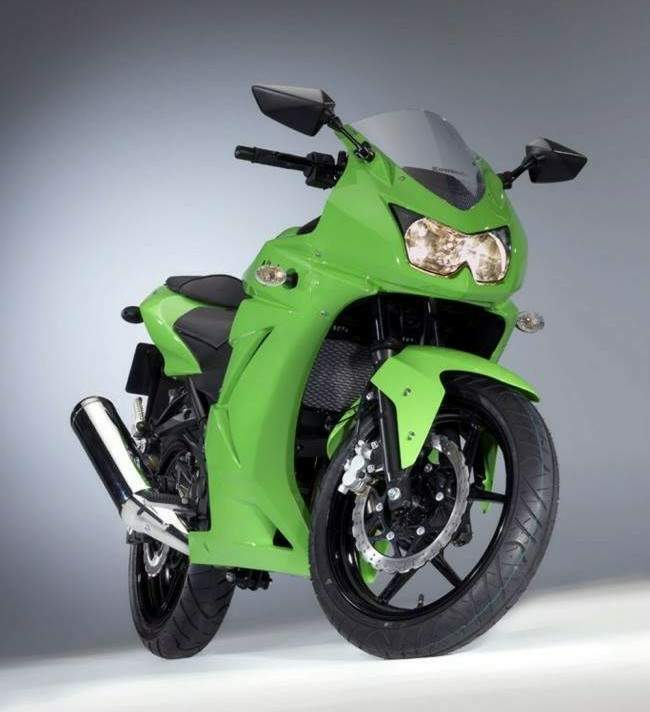 t is available in lime green and ebony black. The stunning bike is ready to give you a wonderful and unforgettable ride.
  Kawasaki Ninja 250R Bikes
 Kawasaki Ninja 250R Bikes
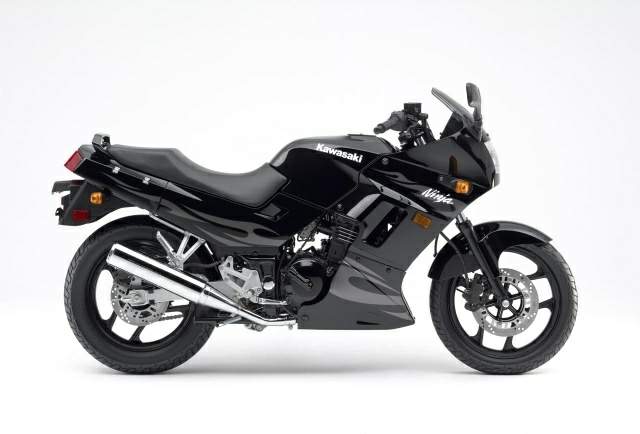 Kawasaki Ninja 250R Bikes
 2010 Kawasaki ER-6n in Action
 2010 Kawasaki ER-6n Sport Bike
 2010 Kawasaki ER-6n Wallpaper
 2010 Kawasaki ER-6n Image
 2010 Kawasaki Ninja ZX-6R Action
 2010 Kawasaki Ninja ZX-6R Sport Bike
 2010 Kawasaki Ninja ZX-6R Green Black
 2010 Kawasaki Ninja ZX-6R Picture
 2010 Kawasaki Ninja ZX-6R Black Series
 2010 Kawasaki Ninja ZX-6R Test Road
 2010 Kawasaki Ninja ZX-14 in Action
 2010 Kawasaki Ninja ZX-14 Sport Bike
 2010 Kawasaki Ninja ZX-14 Wallpaper
 2010 Kawasaki Ninja ZX-14 Metallic Black
 2010 Kawasaki Ninja ZX-14 Red Color
 2010 Kawasaki Ninja 650R Fighting Sport
 2010 Kawasaki Ninja 650R Wallpaper
 2010 Kawasaki Ninja 650R Blue Color
 2010 Kawasaki Ninja 650R Picture
 2010 Kawasaki Ninja 650R Black Series
 2010 Kawasaki Ninja 650R Sport Bike
 2010 Kawasaki Versys Action
 2010 Kawasaki Versys Headlight
 2010 Kawasaki Versys Picture
 2010 Kawasaki Versys Dash
 2010 Kawasaki Versys Wallpaper
 2010 Kawasaki Versys Yellow
 2010 Kawasaki Versys Rear Shock
 2010 Kawasaki Versys Sport Bike
 2010 Kawasaki Z1000 Action
 2010 Kawasaki Z1000 First Look
 2010 Kawasaki Z1000 Wallpaper
 2010 Kawasaki Z1000 Sport Bike
 2010 Kawasaki Z1000 Picture
 Kawasaki ZX-10R Hayate Replica Sport Bike
 Kawasaki ZX-10R Hayate Replica Photo
 Kawasaki ZX-10R Hayate Replica Engine
 Kawasaki ZX-10R Hayate Replica Picture
 2010 Kawasaki KX450F Picture
 2010 Kawasaki KX450F Motorcycle
 2010 Kawasaki KX450F Wallpaper
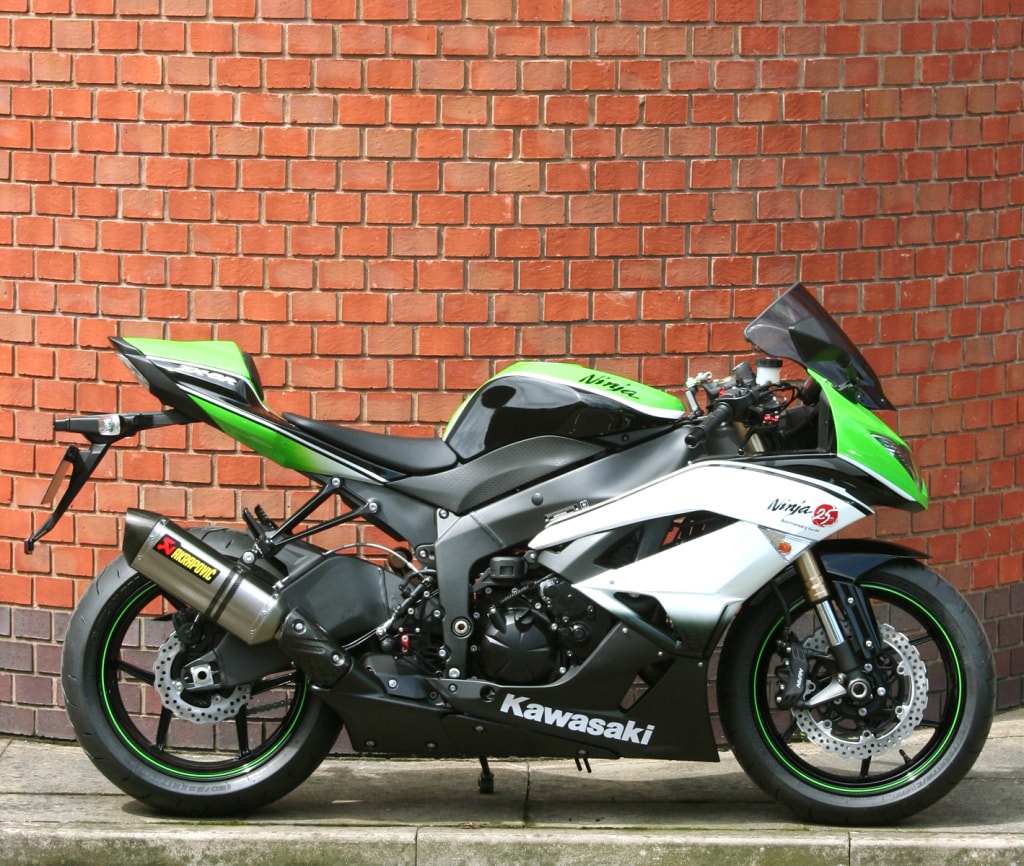 Kawasaki ZX-6R Ninja 25th Anniversary Special Edition
 Kawasaki ZX-6R Ninja 25th Anniversary Front View
 Kawasaki ZX-6R Ninja 25th Anniversary Wallpaper
 2009 Kawasaki Vulcan 1700 Nomad Action
 2009 Kawasaki Vulcan 1700 Nomad Wallpaper
 2009 Kawasaki Vulcan 1700 Nomad Motorcycle
 2009 Kawasaki Vulcan 1700 Nomad Image
 2009 Kawasaki Vulcan 1700 Nomad Picture
 2009 Kawasaki Vulcan 1700 Nomad Tank
 2009 Kawasaki Ninja ZX-6R Monster Energy Action
 2009 Kawasaki Ninja ZX-6R Monster Energy Seat
 2009 Kawasaki Ninja ZX-6R Monster Energy Wallpaper
 2009 Kawasaki Concours 14 Sport Touring
 2009 Kawasaki Concours 14 Picture
 2009 Kawasaki Concours 14 Dash
 2009 Kawasaki Versys Picture
 2009 Kawasaki Versys Black Series
 2009 Kawasaki Versys Sport Bike
 2009 Kawasaki Ninja ZX-14 Motorcycle
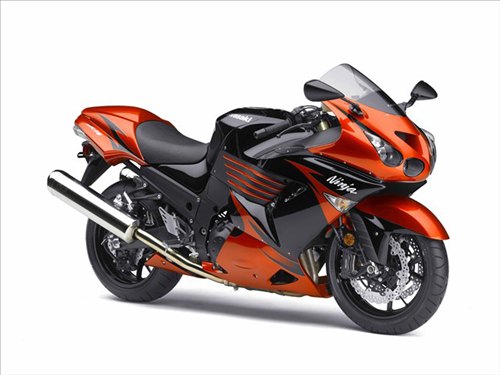 2009 Kawasaki Ninja ZX-14 Picture
  2009 Kawasaki Ninja ZX-14 Black Series
 2009 Kawasaki Ninja ZX-14 Wallpaper
 2009 Kawasaki ER-6n Picture
 2009 Kawasaki ER-6n Sportsbike
 2009 Kawasaki ER-6n Wallpaper
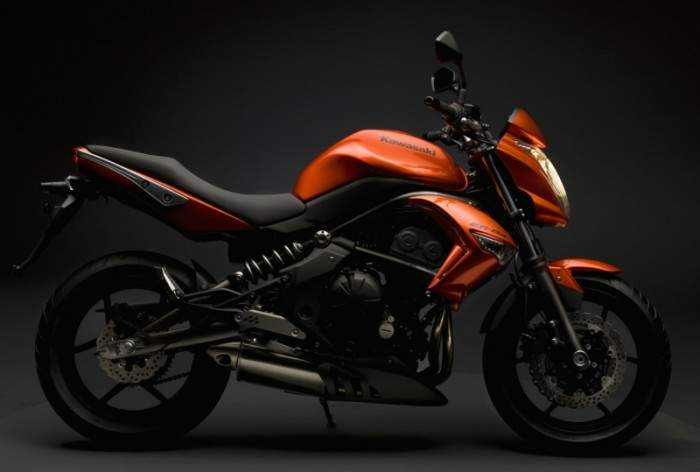 2009 Kawasaki ER-6n Best Performance
 2009 Kawasaki ER-6n Motorcycles
 2009 Kawasaki Ninja 650R Wallpaper
 2009 Kawasaki Ninja 650R
  2009 Kawasaki Ninja 650R Picture
 2009 Kawasaki Ninja 650R Motorcycle
 2009 Kawasaki Ninja 500R Motor Sport
 2009 Kawasaki Ninja 500R Wallpaper
 2009 Kawasaki Ninja 500R Black
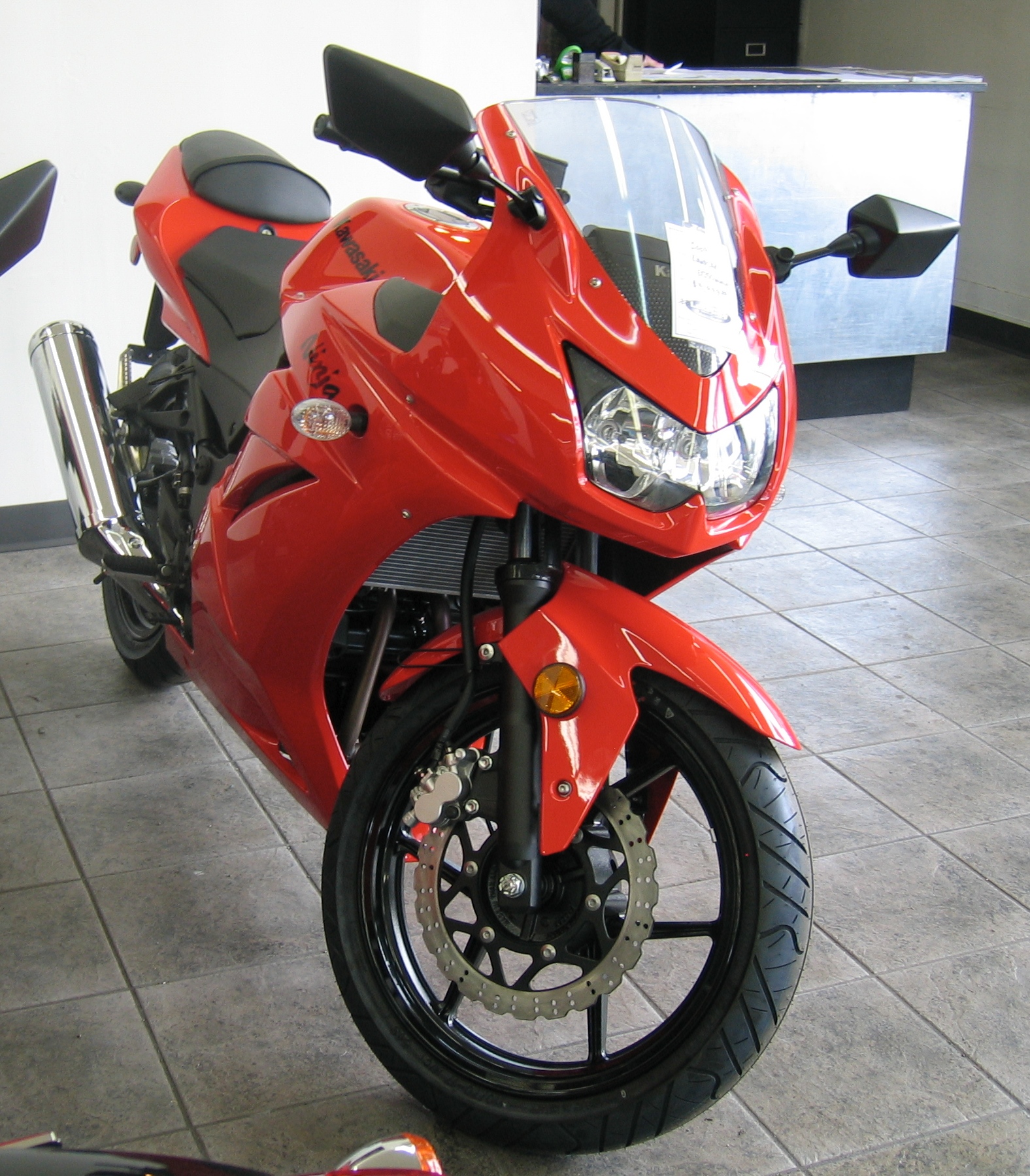 2009 Kawasaki Ninja 250R Picture
 2009 Kawasaki Ninja 250R Sport Bike
 2009 Kawasaki Ninja 250R
  2009 Kawasaki ZX-6R Motor Sport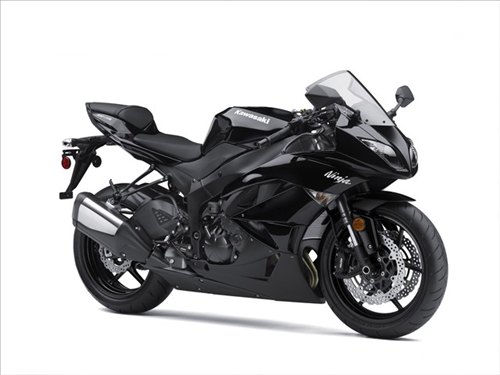
 2009 Kawasaki ZX-6R Picture
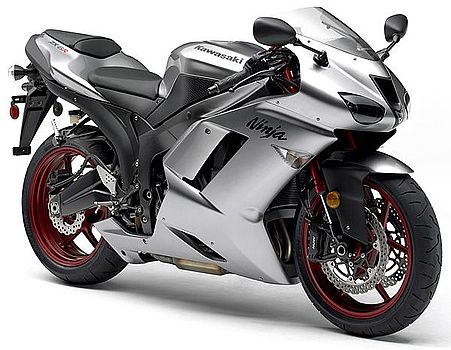 2009 Kawasaki ZX-6R Wallpaper
 2009 Kawasaki Ninja ZX-6R
 Kawasaki Ninja ZX-10R Show
 Kawasaki ZX-10R King of Road
  Kawasaki ZX-10R Wallpaper
 Kawasaki ZX-10R
 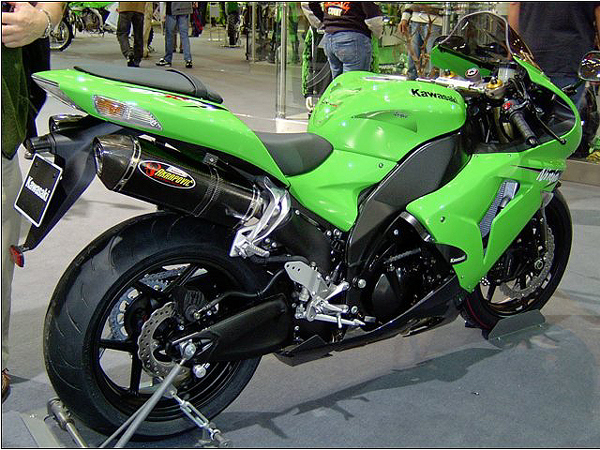 Kawasaki ZX-10R Picture
 Kawasaki ZX-10R Motor Sport
 Kawasaki ZX-10R Black
 Kawasaki ZX-10R Motorcycle


